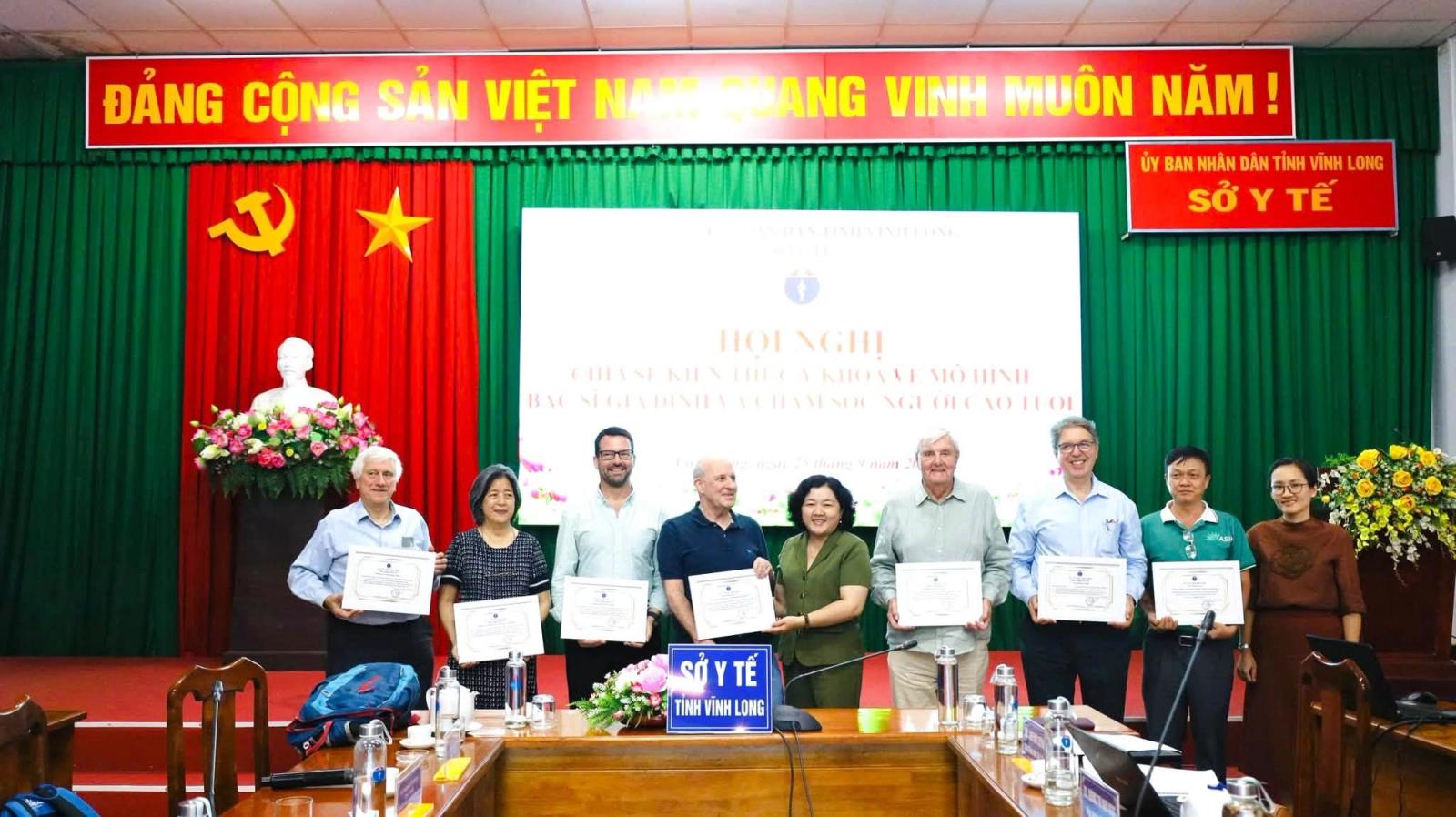
On 25 September 2026, the Vinh Long Department of Health partnered with the Hoc Mai Foundation (Australia) and ASIF Foundation to hold a specialist seminar sharing medical knowledge on the family medicine model and care for older people.
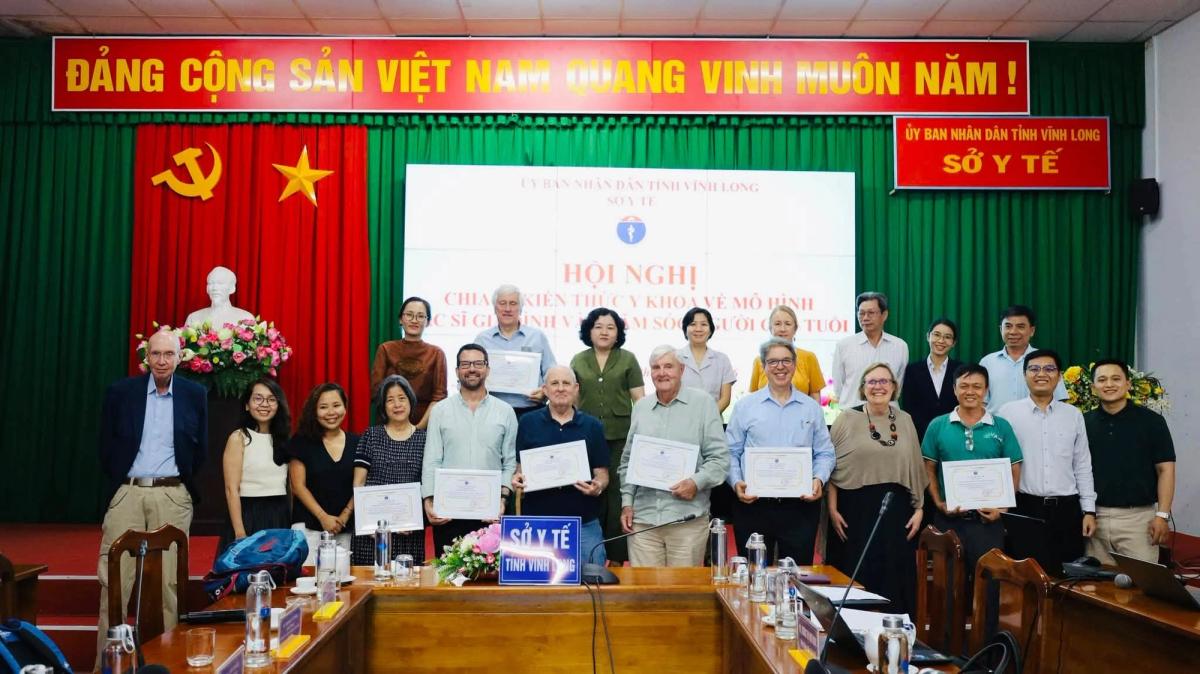
On 25 September 2026, at its offices, the Vinh Long Department of Health partnered with medical experts from the Hoc Mai Foundation (Australia) and ASIF Foundation (Australasia Social Impact Foundation) to hold a specialist seminar, "Sharing Medical Knowledge on the Family Medicine Model and Care for Older People". The program aimed to strengthen the clinical capacity of the local health workforce in chronic disease management and community-based care for older people.
Participants included the Department's Board of Directors, heads of clinical and professional departments, and doctors and health workers from health facilities across the province.
Population ageing places new demands on primary health care
Older people often live with several chronic conditions at once. They need long-term monitoring and coordinated care across specialties. Inpatient hospital care cannot meet all of these needs, and relying on it adds pressure on provincial hospitals.
In many countries, including Australia, patient care has gradually shifted from hospitals into the community and the home. The general practitioner (GP) is the first and ongoing point of contact for patients. This model aims to deliver higher-quality care, fewer days in hospital, lower costs and greater patient satisfaction.
Clinical topics
Experts from the Hoc Mai Foundation presented on topics that reflect the current priorities of Vinh Long's health sector.
Primary health care and family medicine. The experts outlined how primary care is organised in Australia. GPs provide continuous, comprehensive care, including chronic disease management, early screening and coordinated referrals. As a result, common conditions such as hypertension, diabetes and cardiovascular disease are better controlled, and the risk of emergency hospitalisation falls.
Evidence-Based Medicine (EBM). Participants were guided on how to find, critically appraise and apply new research to clinical decision-making. This is the foundation for standardising treatment protocols, reducing medical errors and limiting polypharmacy, which is common among older people with multiple conditions.
Dementia management and the Hospital in the Home model. The experts shared practice guidelines on diagnosing and treating dementia and on managing behavioural symptoms. Under the Hospital in the Home model, patients are monitored, treated and rehabilitated where they live, under the supervision of a health care team. A familiar environment helps patients stay settled, reduces agitation and supports their ability to manage daily activities better than an extended hospital stay.
Geriatric endocrinology and obesity assessment and treatment. This session focused on a comprehensive approach combining pharmacological and non-pharmacological interventions, including management of endocrine emergencies and diabetes in older people.
Towards a more proactive and sustainable health system
The seminar delivered more than clinical updates. It also opened conversations about how the health system can adapt to the growing care needs of older people. Evidence-based medicine, family medicine, chronic disease management, dementia care and community-based care all share one goal: improving the quality and continuity of health care for the community.
From the perspective of the local health sector, international experience with family medicine offers new insights into strengthening primary health care, restructuring referral pathways and easing pressure on provincial hospitals.
For ASIF Foundation, the seminar is another step in our ongoing work to connect resources, share knowledge and build capacity. Alongside our partners, we aim to develop solutions that create more sustainable impact for communities.
ASIF Foundation sincerely thanks the Vinh Long Department of Health, Hoc Mai Foundation, the visiting medical experts, and all the doctors and health workers who took part in and contributed to the program.